
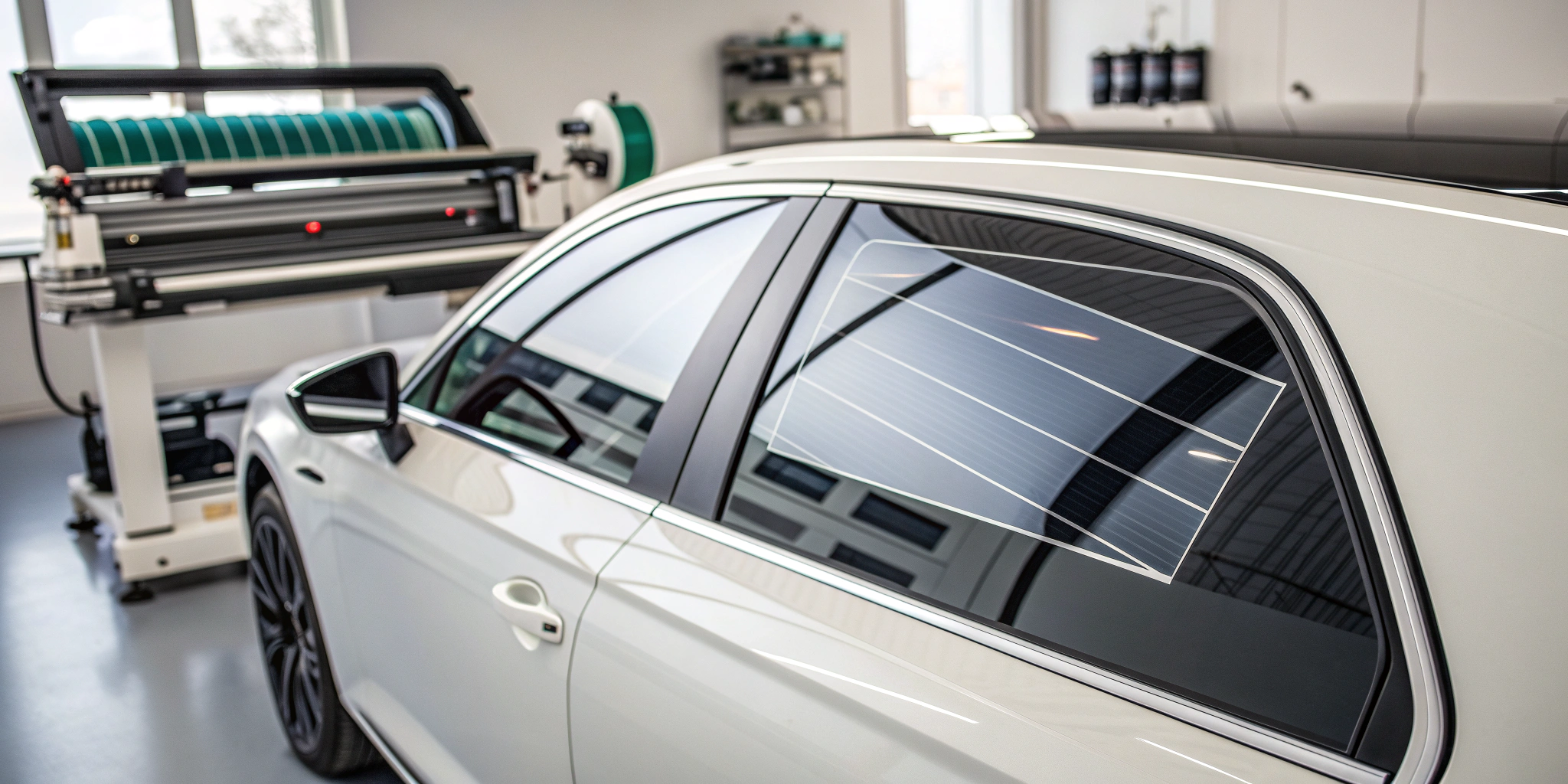
The automotive industry has witnessed a revolution in recent years with the increased use of window tints and Paint Protection Films (PPF). These films protect the vehicle from harmful UV rays, scratches, and debris, while giving a sleek and professional appearance. However, achieving a perfect finish requires precision, speed, and skill. This is where Tint & PPF Cutting Plotters come into play. These specialized machines have transformed the way films are cut, making the process more efficient and professional than ever before.
In this article, we will explore everything about Tint & PPF Cutting Plotters, including what they are, how they work, their benefits, real-world applications, and why they are a must-have for auto film professionals.
What are Tint & PPF Cutting Plotters?
A Tint & PPF Cutting Plotter is a computerized cutting machine designed specifically to cut automotive films such as window tint films and paint protection films (PPF). Unlike manual cutting, which involves measuring and trimming the film by hand, these plotters use digital templates, precision blades, and automated software to cut films accurately according to the shape of the car’s windows or body panels.
The main purpose of these machines is to:
- Ensure Precision: Cut films to the exact size and shape required for a vehicle.
- Save Time: Reduce the time it takes to prepare films for installation.
- Minimize Waste: Optimize material usage to reduce film wastage.
- Enhance Professionalism: Provide clean, consistent, and ready-to-apply film pieces for a professional finish.
Both Tint Cutting Plotters and PPF Cutting Plotters work on the same principle but handle slightly different materials. Tint films are usually thinner, while PPF is thicker and requires more cutting force.
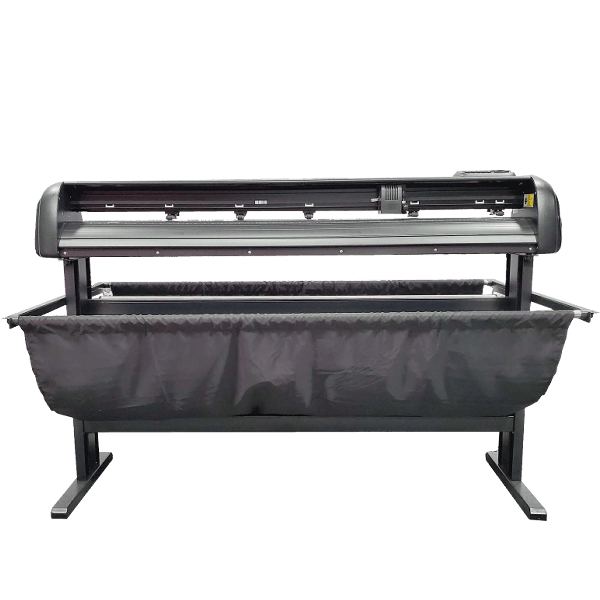
How Tint & PPF Cutting Plotters Work
1. Template Selection
The first step involves selecting a digital template for the vehicle. Most plotters come with software that includes a library of vehicle templates, which contain exact measurements for car windows, hoods, bumpers, and other panels. The operator chooses the vehicle make, model, and year to ensure the cut will fit perfectly.
2. Film Loading
The selected film, whether a roll of window tint or a sheet of PPF, is loaded onto the plotter. The machine aligns and secures the film using rollers or vacuum systems to ensure it does not move during cutting. Proper alignment is crucial for precision.
3. Setting Cutting Parameters
Different films require different cutting forces and blade depths. The operator sets the cutting force, speed, and blade depth based on the film type. For example, thin tint film requires less force, while thick PPF needs a higher cutting force.
4. Automated Cutting
Once the settings are configured, the plotter automatically moves the blade along the X and Y axes, following the vehicle template. The machine slices through the top layer of the film, leaving the backing intact, a process often called kiss cutting. This ensures the pieces can be easily removed and applied.
5. Weeding and Preparation
After cutting, the unused parts of the film are removed (weeded), leaving clean, precise pieces that match the car’s panels. These pieces are now ready for installation without any further trimming.
Advantages of Using Tint & PPF Cutting Plotters
1. High Precision
Manual cutting often leads to errors, misalignments, or uneven edges. Plotters use digital templates to ensure perfect fit for every panel, eliminating mistakes and ensuring a professional finish.
2. Time Efficiency
Cutting films manually can be time-consuming, especially for full-body PPF applications. Plotters dramatically reduce cutting time, allowing installers to handle multiple vehicles in a day without compromising quality.
3. Material Savings
High-quality films like PPF are expensive. Plotters optimize cutting patterns to minimize waste, saving businesses significant costs over time.
4. Consistency and Repeatability
Every cut is identical, regardless of the operator. This consistency ensures a uniform professional finish across multiple vehicles, which is difficult to achieve manually.
5. Safe and Clean Installation
By pre-cutting films, plotters reduce the risk of scratches or paint damage during installation. This is particularly important for high-end vehicles where even minor damage can be costly.
6. Versatility
Modern plotters can handle multiple materials, including window tints, PPF, vinyl wraps, and decals. This flexibility makes them an essential tool for auto detailing shops.
Types of Films Handled by Tint & PPF Cutting Plotters
1. Window Tint Films
- Thinner films that reduce heat, glare, and UV radiation inside the vehicle.
- Enhance privacy and improve vehicle aesthetics.
- Require delicate cutting to avoid tearing or stretching.
2. Paint Protection Films (PPF)
- Thicker, self-healing films that protect paint from scratches, stone chips, and environmental damage.
- Require higher cutting force and precise templates to ensure exact fit on vehicle panels.
3. Vinyl Wraps and Decals
- Some plotters can also cut vinyl films for decorative or branding purposes.
- These films require precise, clean cuts to maintain design integrity.
Real-World Applications
1. Auto Tinting Shops
Tinting shops use plotters to pre-cut tint films for windows of various car models. This reduces preparation time and ensures accurate, clean installations.
2. PPF Installation Studios
PPF installers rely on plotters to pre-cut protective films for bumpers, hoods, fenders, and mirrors. This ensures a seamless application with minimal trimming on the vehicle.
3. Vinyl Wrap Businesses
For businesses offering full-body wraps, decals, or custom graphics, plotters can cut films to exact specifications, reducing errors and material wastage.
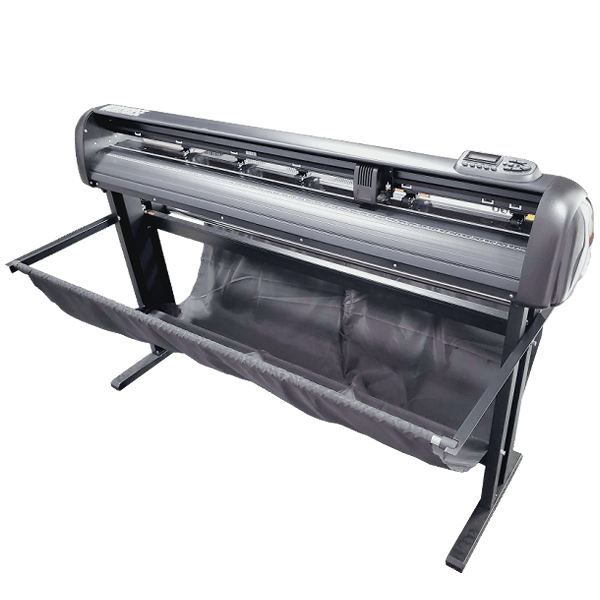
Features to Look for in a Tint & PPF Cutting Plotter
- Cutting Width: A wider cutting area allows handling larger panels or full-body cuts.
- Cutting Force: Adjustable cutting force ensures compatibility with different film thicknesses.
- Software Compatibility: Software with a comprehensive vehicle template library saves time and ensures accuracy.
- Media Handling: Roll-to-roll systems, vacuum beds, or pinch rollers help stabilize the film during cutting.
- Blade Adjustability: Proper blade control is essential for different film types.
- Speed and Accuracy: Fast cutting without compromising precision is key for professional applications.
The Impact of Tint & PPF Cutting Plotters on the Automotive Industry
Before plotters, installers relied on manual cutting, which was slow, error-prone, and wasteful. The introduction of plotters has revolutionized automotive film application:
- Scalability: Shops can serve more vehicles in less time.
- Professional Quality: Uniform, precise cuts improve customer satisfaction.
- Cost Efficiency: Reduced waste and optimized cuts save money.
- Safety: Reduced risk of damaging vehicle paint during installation.
Modern plotters are now considered an essential investment for any serious tint or PPF business.
Challenges and Limitations
While plotters are highly beneficial, they have some limitations:
- Template Dependency: The machine needs accurate templates. Rare or custom vehicles may still require manual cutting.
- Initial Investment: High-quality plotters can be expensive, which may be a barrier for small shops.
- Maintenance: Blades wear out and settings must be monitored carefully.
- Not a Complete Replacement for Skill: Some complex curves or custom modifications may still need manual adjustments.
Despite these challenges, the advantages far outweigh the limitations, making plotters a valuable asset.
Choosing the Right Plotter for Your Business
When selecting a Tint & PPF Cutting Plotter, consider:
- The volume of jobs your shop handles daily.
- The types of films you use most often.
- The range of vehicles you service.
- The level of automation your team requires.
- Your budget and ROI expectations.
Investing in a high-quality plotter with reliable software can significantly enhance business efficiency and customer satisfaction.
Conclusion
Tint & PPF Cutting Plotters have transformed the automotive film industry. By combining precision, speed, and efficiency, these machines allow auto detailing and tinting shops to deliver professional results with minimal waste. They are versatile, accurate, and essential for any business serious about tinting, PPF installation, or vinyl wrapping.
For automotive professionals, investing in a Tint & PPF Cutting Plotter is not just about convenience — it’s about improving quality, saving time and material, and ultimately delivering a superior experience to clients.